
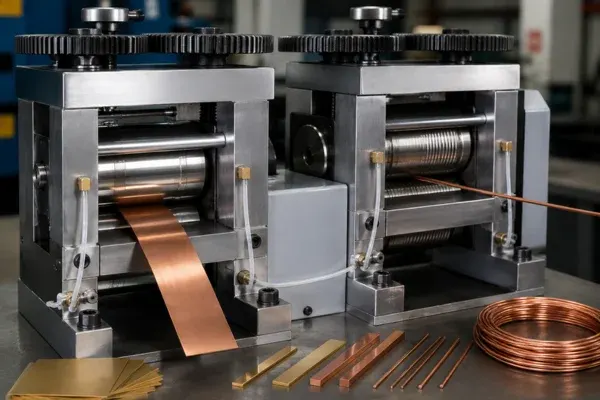
Where Rolling Ends and Drawing Takes Over
Rolling gets wire down to a workable gauge, but for the finer diameters most jewellery work actually requires, drawing is where the real precision happens. Pulling wire through a series of progressively smaller dies is a fundamentally different process from rolling, and it demands equipment built specifically for that pulling action rather than a rolling machine trying to double up on a job it wasn’t designed for. That’s exactly what our jewellery wire drawing machine is built for.
Passing wire through a die will decrease its diameter but increase its length. Pulling the wire through the die without breaking it and without creating drag marks is something that needs to be done in an almost perfect manner to ensure that everything is carried out successfully.
Controlled Tension Prevents Wire Breakage
The single most common frustration with poor-quality drawing equipment is wire snapping mid-draw, especially as gauge gets finer. Excessive or inconsistent pulling tension is usually the culprit. Our machine’s tension control system is calibrated to apply steady, appropriate
pulling force throughout the draw, reducing breakage significantly even as wire gets progressively thinner through successive dies.
This matters a great deal for production efficiency — every broken draw means stopping the machine, re-threading the wire, and losing the time and material that went into the draw up to that point.
Precision Die Alignment for Clean Results
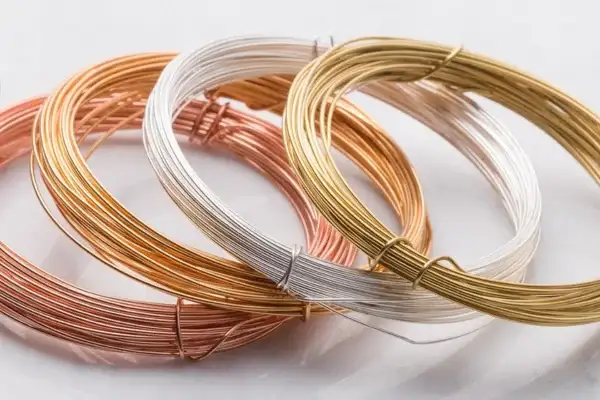
Even minor misalignment between the wire path and the die can create drag marks, inconsistent diameter, or accelerated die wear. Our machine is engineered with precise die alignment that keeps the wire path true, resulting in a smoother finish and more consistent gauge reduction with each pass through the die sequence.
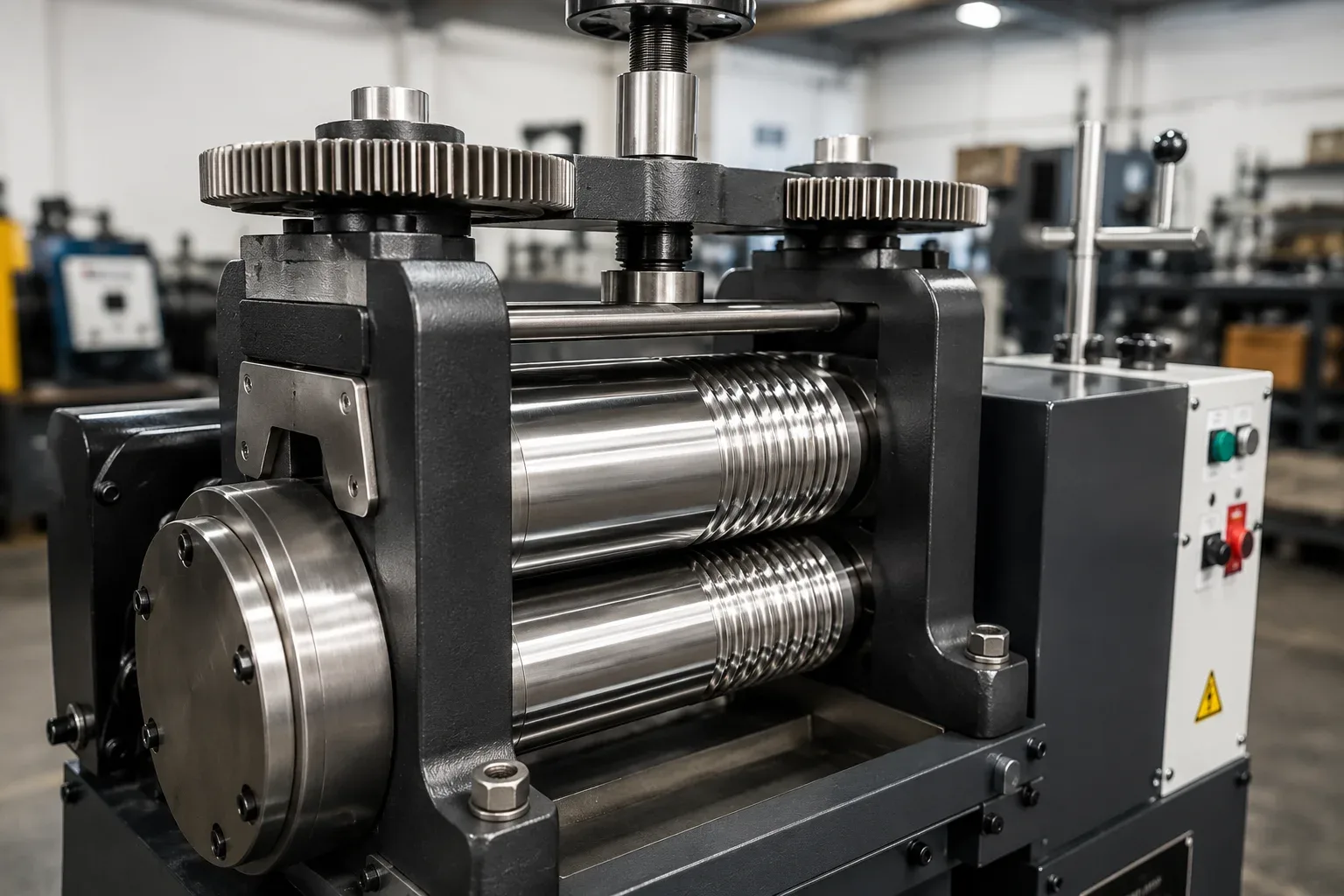
Handles Progressive Gauge Reduction Efficiently
Works With Gold, Silver, and Alloy Wire
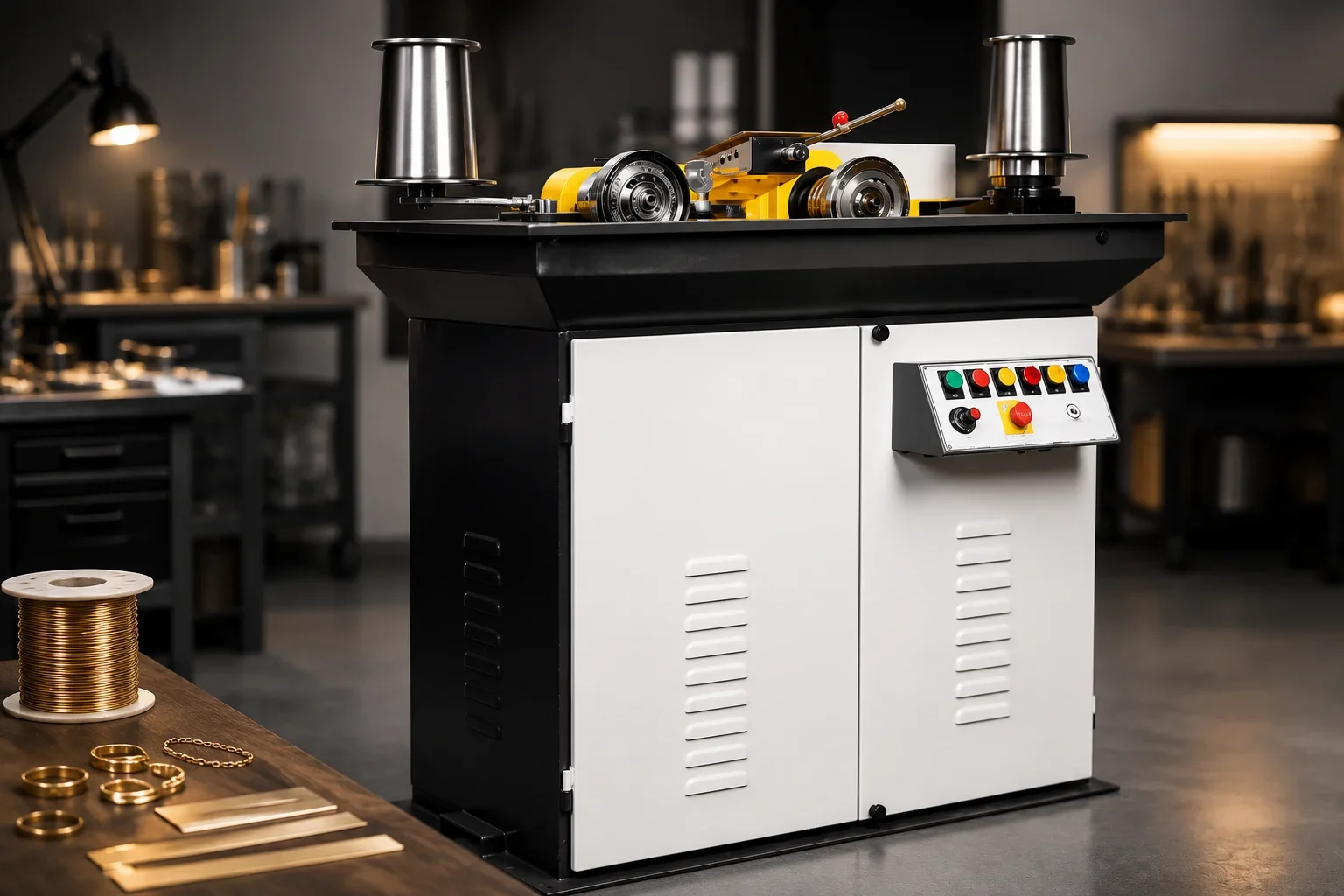
Reduces Material Waste From Breakage
Every broken wire during drawing represents wasted material and production time, both of which carry real cost in an industry working with precious metals. By minimizing breakage through better tension control and die alignment, this machine directly protects your material yield across a production run.
ISO 9001:2015 Certified Manufacturing
Every wire drawing machine we manufacture is tested and verified under our ISO 9001:2015 certified process, with particular focus on tension control accuracy and die alignment before it leaves our Ahmedabad facility.
Who This Machine Suits
This machine is specifically designed for manufacturers and workshops that require wire to be drawn down to fine jewelry gauges after being rolled. If your manufacturing process requires wire drawing without breaks, then this is the machine you need.
Contact our team to discuss your target gauge range and production volume.
FAQS:
What's the difference between wire rolling and wire drawing?
Rolling reduces wire gauge by passing it between rollers, while drawing pulls wire through progressively smaller dies to achieve finer diameters with elongation.
What causes wire to break during drawing?
Excessive or inconsistent pulling tension is the most common cause, which is why controlled, steady tension is critical for minimizing breakage.
Can this machine handle both gold and silver wire?
Yes, it’s calibrated to draw gold, silver, and common jewellery-grade alloy wire.
Does this machine reduce material waste?
Yes, by minimizing wire breakage through better tension control and die alignment, it helps protect material yield across production runs.