
A Format Rooted
in Traditional Craftsmanship
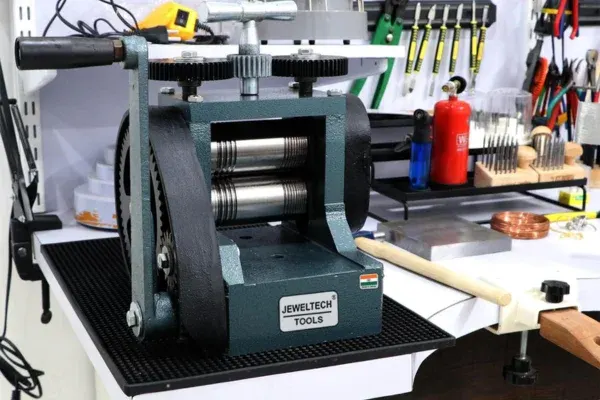
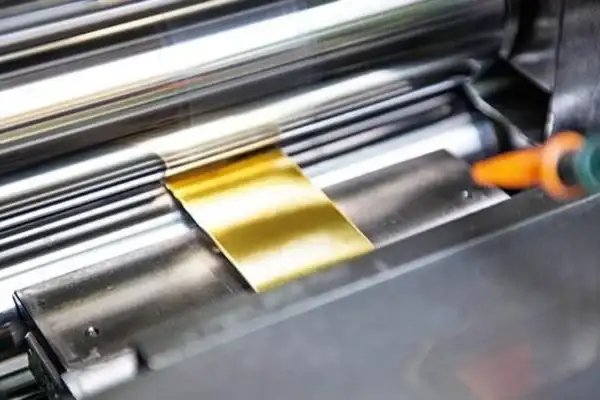
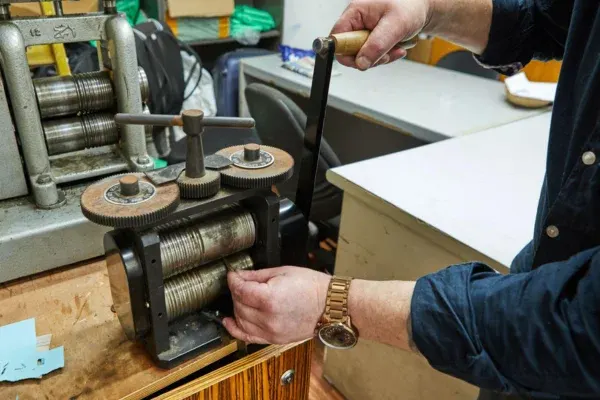
Tar patti holds a specific place in Indian jewellery manufacturing that’s a little different from standard strip or sheet work. It’s the flat, ribbon-like gold used extensively in traditional pieces — kada, temple jewellery, borders, and a range of designs where a particular flat-wire profile is essential to the finished look. Producing it well requires equipment tuned to that exact format, which is exactly what our gold tar patti rolling machine delivers.
This isn’t a generic strip rolling machine relabeled for the term. Tar patti has its own dimensional expectations rooted in decades of traditional jewellery-making practice, and our machine is calibrated specifically around those requirements.
Getting the Profile Right
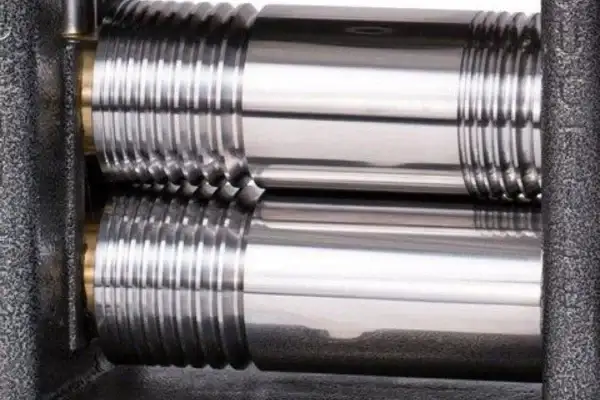
Tar patti needs a very particular balance of width, thickness, and edge finish — different from both standard sheet and typical strip stock. Too thick, and it doesn’t drape or set the way traditional designs require. Too thin, and it lacks the structural presence these pieces are known for. Our machine’s roller setup is calibrated to hit that specific profile consistently, giving karigars and manufacturers material that behaves the way tar patti is expected to.
Getting this dimensional balance right the first time matters a lot in traditional jewellery production, where the material often goes straight into intricate handwork that doesn’t leave much room to compensate for a flawed starting strip.
Consistency That Respects the Craft
A lot of tar patti eventually passes through skilled artisan hands for further shaping, engraving, or setting work. When the base material is inconsistent, it creates extra difficulty for the karigar doing that detailed work, slowing down a process that’s already time-intensive. Our machine produces tar patti with steady width and thickness across its length, so the artisans working with it downstream aren’t fighting inconsistent material on top of an already demanding craft.
Built for Regional and Traditional Design Volumes
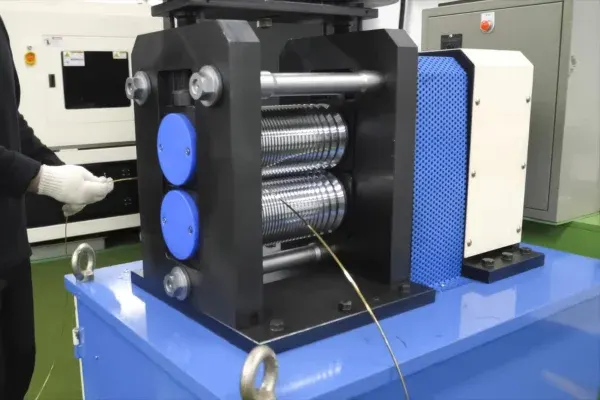
Tar patti demand is often tied to specific regional jewellery styles and traditional design categories that remain in steady demand across India’s domestic market. Manufacturers serving these markets need equipment that can produce consistent volumes of this specific format reliably, without needing to repurpose machines built for other rolling formats.
Suitable for Gold and Silver Tar Patti Alike
While gold tar patti is the more common application, this machine’s calibration also extends to silver, giving manufacturers who serve both markets flexibility from a single piece of equipment.
Reliable Output Across Production Runs
Just like the rest of our range, this machine holds its calibration through extended runs, so the tar patti produced for a large order stays consistent from the first length to the last, which matters when a single order can involve significant continuous production.
ISO 9001:2015 Certified Manufacturing
Every gold tar patti rolling machine we manufacture is tested under our ISO 9001:2015 certified process, with specific checks on width, thickness, and edge consistency before it leaves our Ahmedabad facility.
Who This Machine Suits
This machine is built for manufacturers producing traditional Indian jewellery formats — kada, temple jewellery, borders, and related designs — where tar patti’s specific flat-wire profile is essential. If your production regularly involves this traditional format, this machine is engineered around exactly that need.
Reach out to our team to discuss your tar patti width and thickness specifications.
FAQS:
What is tar patti used for in jewellery making?
Tar patti is a flat, ribbon-like gold or silver wire commonly used in traditional Indian jewellery formats such as kada, temple jewellery, and decorative borders.
How is tar patti different from standard strip stock?
Tar patti has a specific dimensional profile rooted in traditional jewellery-making requirements, differing from general-purpose strip in its width, thickness, and finish expectations.
Can this machine produce both gold and silver tar patti?
Yes, the machine’s calibration extends to both gold and silver, giving manufacturers flexibility to serve different market segments.
Why does consistent tar patti quality matter for artisans?
Since tar patti often moves into detailed handwork by skilled karigars, inconsistent material makes that already time-intensive process more difficult, so consistent quality directly supports craftsmanship downstream.