
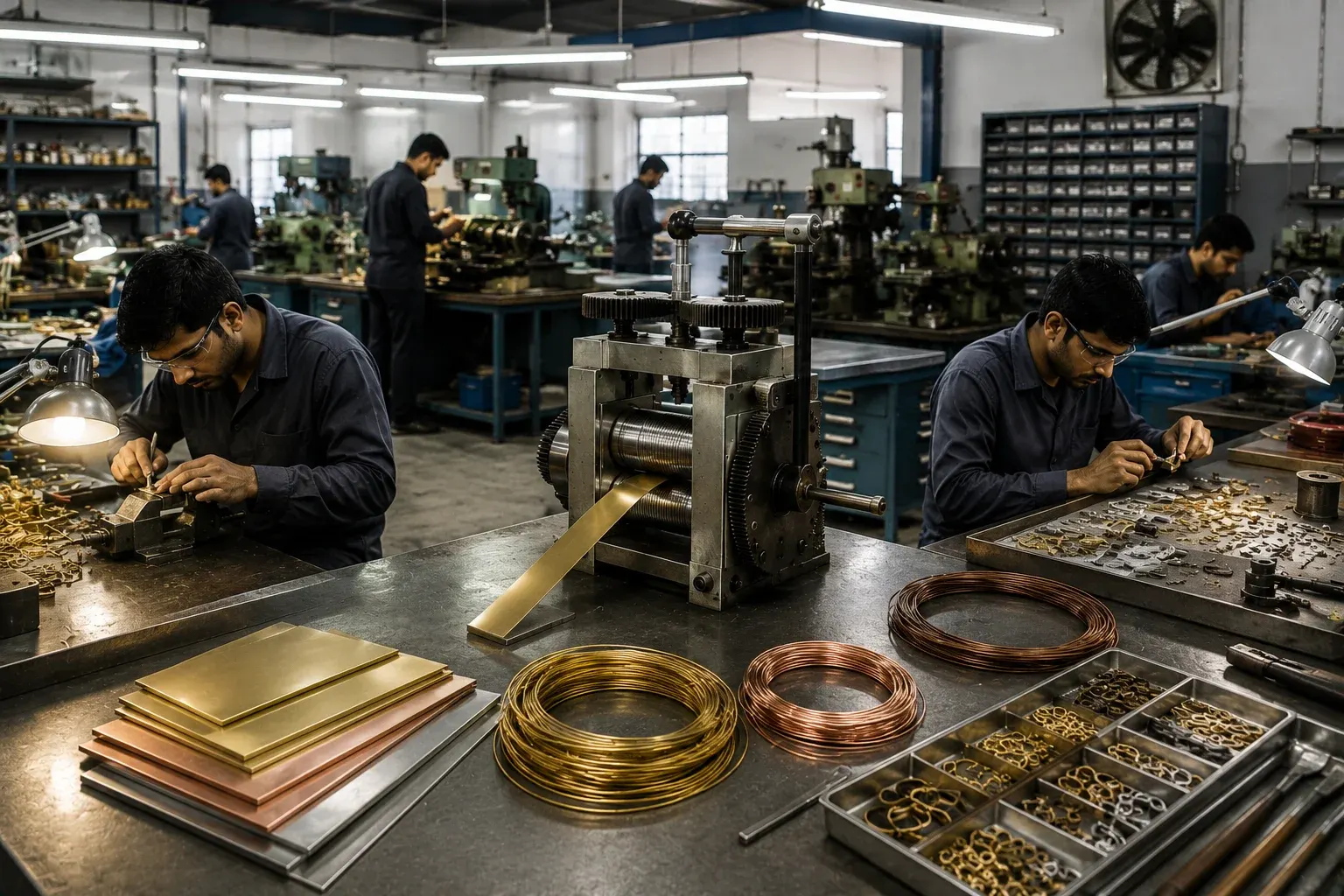
When the Material Itself Is the Reason for Extra Care
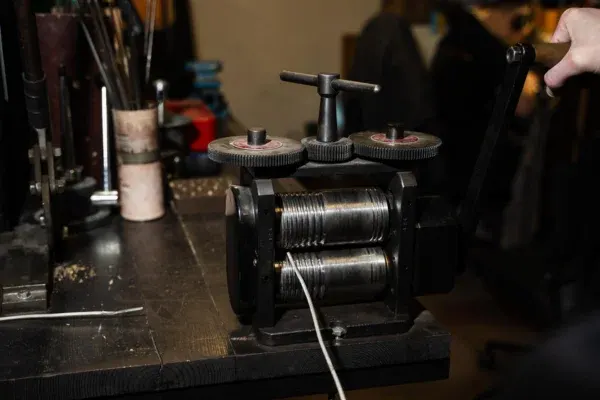
Transfer machines exist for every kind of wire, but when the wire running through one is gold, the margin for error shrinks considerably. A scratch, a kink, or a stretch introduced during spooling isn’t just a quality issue — it’s a direct loss of valuable material, sometimes requiring the affected section to be scrapped and reprocessed entirely. Our gold wire transfer machine is built with that reality front and center, prioritizing damage-free handling above almost everything else.
Where general-purpose transfer equipment focuses mainly on winding efficiency, this machine treats every meter of gold wire as something worth protecting carefully, because in this industry, that’s exactly what it is.
Minimizing Scrap Loss Through Gentle Handling
Gold wire that’s been carefully drawn to a precise gauge represents real invested cost — material, machine time, and labor. Damaging it during transfer effectively wastes all of that investment. Our machine’s winding mechanism is calibrated to handle gold gently, avoiding the kind of tension spikes or rough guide-path contact that can scratch, kink, or stretch wire during the spooling process.
That gentler handling directly protects your material yield, reducing how much finished wire ends up scrapped or downgraded due to transfer-stage damage.
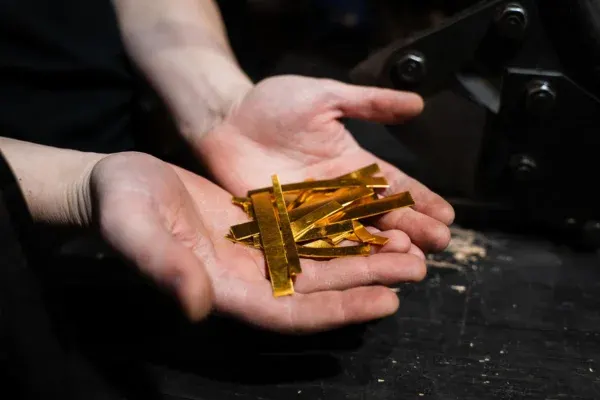
Precise Tension Control Suited to Gold's Softness
Gold’s relative softness compared to other metals means it’s more vulnerable to tension-related stretching during transfer than harder wire types. Our machine’s tension settings are specifically tuned for gold, applying just enough control to wind evenly without risking the kind of stretch that would alter gauge accuracy after the wire has already been carefully drawn to spec.
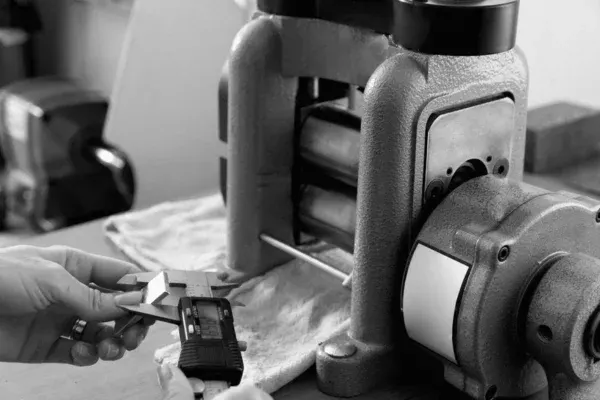
Even Spooling Without Surface Marking
Beyond tension, surface contact during winding matters significantly for gold, where even minor scuffing affects the wire’s finished appearance and can require additional polishing before it’s usable in final jewellery production. Our machine’s guide paths and winding surfaces are designed to minimize direct contact stress, helping preserve the clean surface finish gold wire arrives with after drawing.
Supporting Traceability for High-Value Batches
Given gold’s value, many manufacturers need clear batch tracking as wire moves through transfer and into subsequent stages. This machine’s consistent, orderly spooling process supports that kind of batch organization, making it easier to track specific wire lots through your production and inventory systems without confusion from tangled or poorly separated spools.
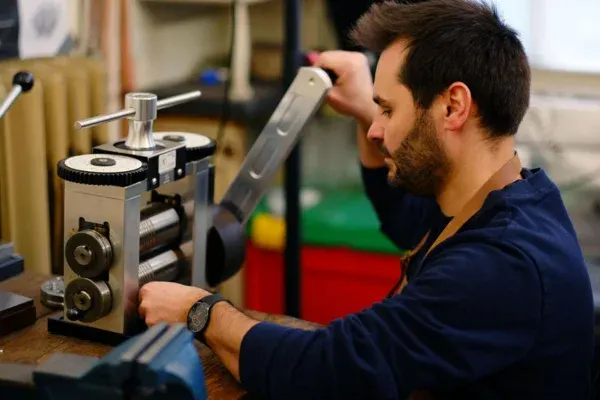
Reduces Costly Rework
Every kinked or scratched section of gold wire that needs to be cut out and reprocessed adds both material cost and labor time to a batch. By minimizing handling damage at the transfer stage, this machine reduces how often that rework becomes necessary, protecting both your margins and your production schedule.
ISO 9001:2015 Certified Manufacturing
Every gold wire transfer machine we build is tested under our ISO 9001:2015 certified process, with particular attention to tension calibration and surface-contact design before it leaves our Ahmedabad facility.
Who This Machine Suits
This machine is built for manufacturers and refiners handling gold wire specifically, where material value makes damage-free transfer a genuine priority rather than a secondary concern. If protecting gold wire quality between production stages matters to your operation, this machine is engineered around exactly that need.
Reach out to our team to discuss your typical gold wire gauge and spool volume requirements.
FAQS:
Why does gold wire need a dedicated transfer machine instead of general-purpose equipment?
Gold’s high value and relative softness make it more vulnerable to tension-related stretching and surface damage, so dedicated calibration helps minimize costly material loss during spooling.
How does this machine reduce scrap loss?
By using gentler winding mechanisms and precise tension control, it minimizes scratching, kinking, and stretching that would otherwise require sections of wire to be cut out and reprocessed.
Does this machine support batch tracking for gold wire?
Yes, its consistent and orderly spooling process makes it easier to organize and trace specific wire lots through production and inventory systems.
Is surface finish affected during the transfer process?
No, the machine’s guide paths and winding surfaces are designed to minimize contact stress, helping preserve the wire’s clean surface finish from the drawing stage.