
A Very Specific Profile
for a Very Recognizable Chain Style
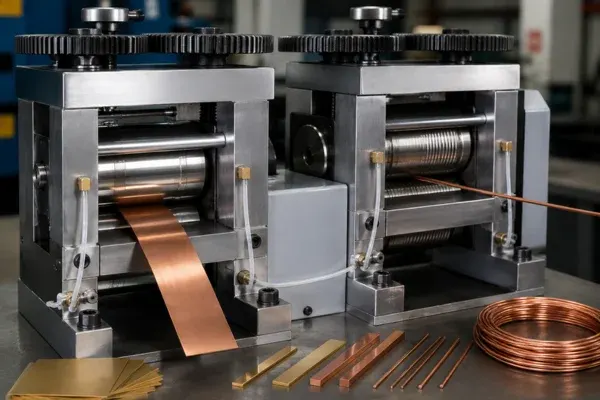
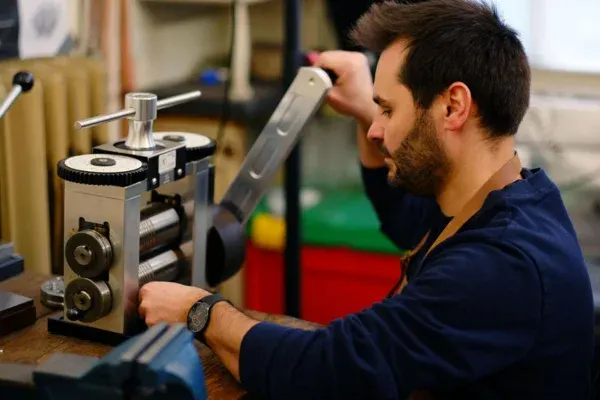
Box chain has a distinctive look — that squared, faceted appearance that catches light differently along each side of the link. Getting there requires wire flattened into a very particular profile, not just a generic flat strip, but one shaped with the precise grooves and edges that box chain construction depends on. Our gold box wire flattening machine is built specifically for that profile, rather than treating box wire as a variation of standard flat wire production.
This distinction matters more than it might seem from the outside. Box wire needs consistent squared edges and groove depth to form properly into the interlocking box-link structure. A flattening machine calibrated for general flat wire simply doesn’t produce the geometry box chain manufacturing requires.
Precision Groove and Edge Formation
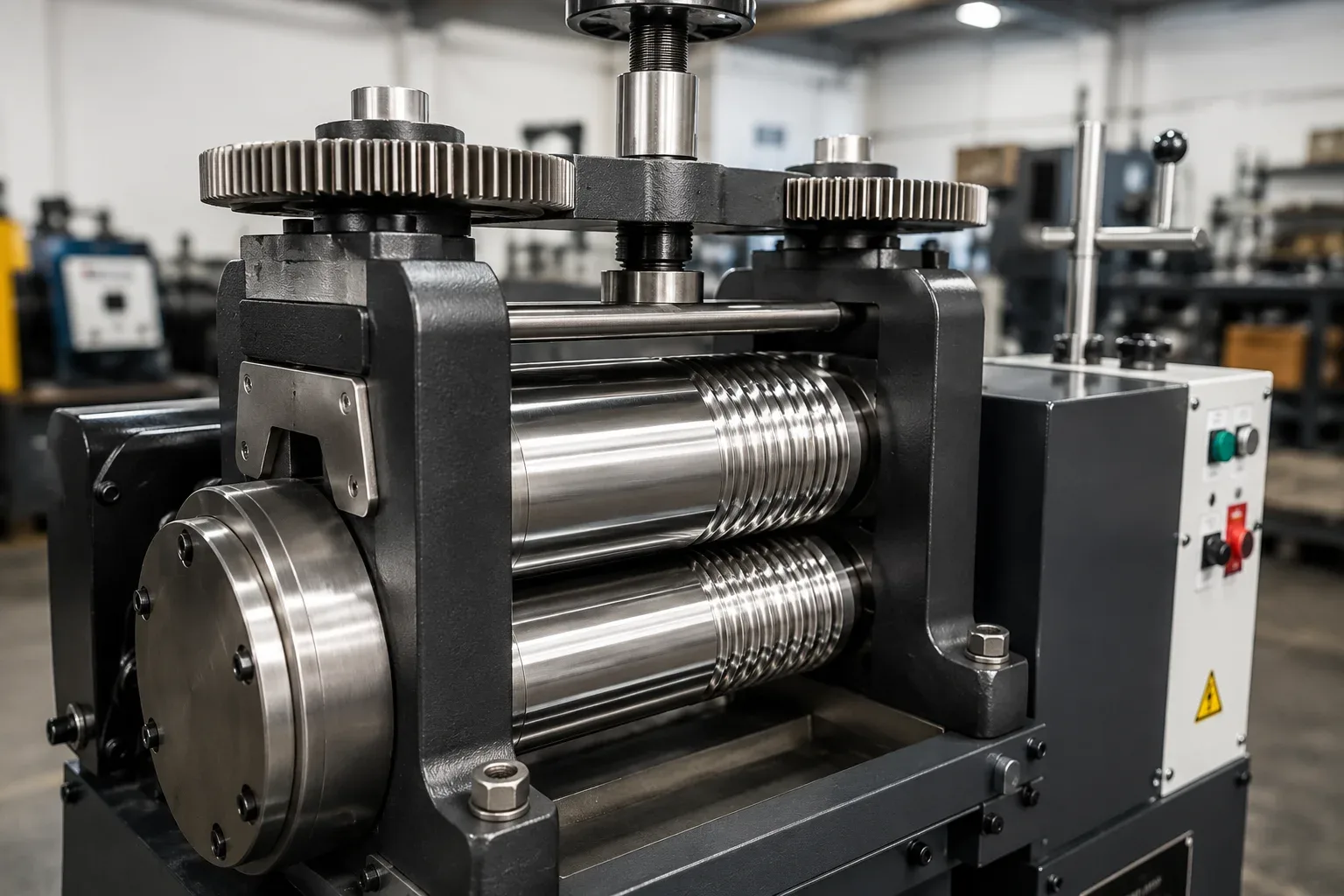
The defining feature of box wire is its distinctive profile — squared edges and specific groove characteristics that allow the wire to fold and interlock correctly during box chain construction. Our machine’s roller design is engineered specifically to form this profile
accurately and consistently, so every length of wire produced folds into uniform, evenly faceted links rather than links that vary subtly in shape from one to the next.
Consistency That Chain-Makers Depend On
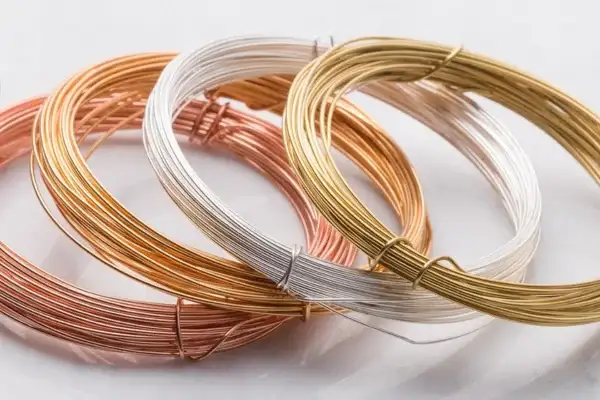
Box chain construction is unforgiving when it comes to wire consistency. If the profile varies even slightly along the wire’s length, the resulting chain shows visible irregularities once the links are formed and connected — a problem that becomes obvious the moment the finished chain catches light unevenly. Our machine holds its profile calibration steady across long production runs, so wire produced early in a run matches wire produced much later, keeping the finished chain visually uniform from end to end.
Built for High-Volume Box Chain Production
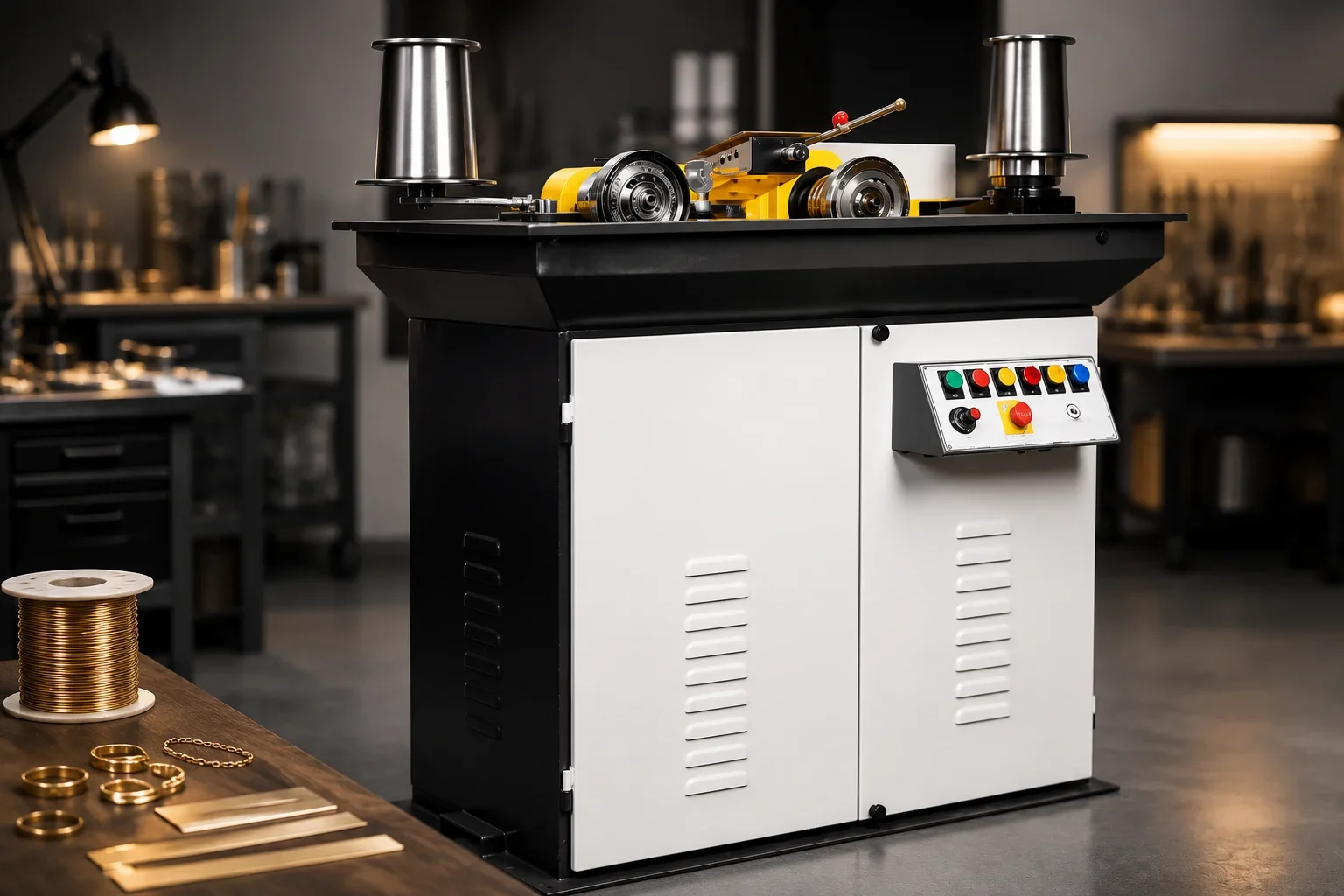
Box chain remains one of the more consistently popular chain styles in jewellery manufacturing, and producers working at scale need equipment that can maintain profile accuracy across substantial production volumes without drifting or requiring constant recalibration. This machine is built with that kind of sustained, high-volume output in mind.
Reduces Rejects at the Chain-Forming Stage
Wire with an inconsistent box profile creates problems downstream at the chain-forming stage, where links made from flawed wire may not fold or interlock correctly, leading to rejected sections and wasted material. By producing consistently profiled box wire from the outset, this machine helps reduce those downstream rejects, protecting both material yield and production efficiency.
Preserves Surface Finish Through Profile Formation
Even with the more complex profile involved in box wire formation, surface finish quality remains a priority. Our machine’s roller surfaces are engineered to shape the groove and edge profile without introducing scratches or marks that would detract from the chain’s finished appearance.
ISO 9001:2015 Certified Manufacturing
Every gold box wire flattening machine we manufacture is tested under our ISO 9001:2015 certified process, with specific verification of profile accuracy and consistency before it leaves our Ahmedabad facility.
Who This Machine Suits
This machine is built specifically for manufacturers producing box chain, where the distinctive squared wire profile is essential to the chain’s construction and appearance. If box chain is part of your regular production line, this machine is engineered around exactly that specialized requirement.
Reach out to our team to discuss your box wire dimensions and production volume.
FAQS:
What makes box wire different from standard flat wire?
Box wire has a distinctive squared-groove profile specifically designed to fold and interlock into box chain links, unlike standard flat wire, which has a simpler rectangular cross-section.
Why does profile consistency matter so much for box chain?
Any variation in the wire’s profile shows up as visible irregularities once links are formed and connected, since box chain relies on precise, uniform faceting for its characteristic look.
Does this machine reduce rejects during chain-making?
Yes, by producing consistently profiled wire, it reduces the risk of links failing to fold or interlock correctly at the chain-forming stage.
Is this machine suitable for high-volume production?
Yes, it’s built to maintain profile accuracy across substantial production volumes without drifting or needing frequent recalibration.