
Switching Metals Shouldn't Mean Switching Machines
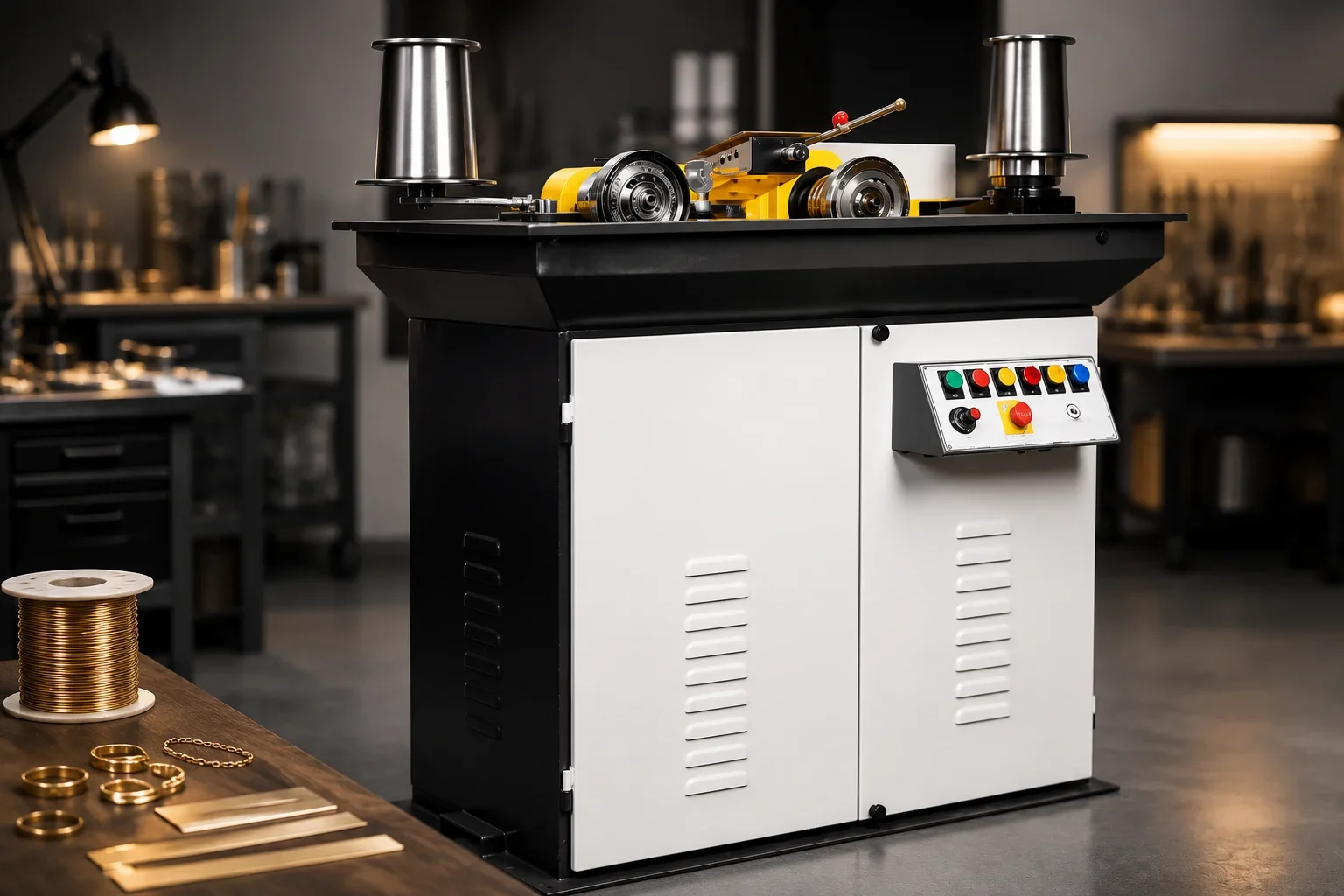
Workshops that draw both gold and silver wire face a recurring problem: the tension and speed settings that work perfectly for gold often aren’t right for silver, which work-hardens faster and behaves quite differently under the same pulling force. Running both metals through equipment calibrated for just one usually means accepting compromised results on whichever metal the machine wasn’t really built for. Our gold & silver wire drawing machine solves that by giving operators dedicated tension profiles for each material, on the same unit.
This machine isn’t a generic drawing setup that happens to work on both metals reasonably well. It’s built with the specific understanding that gold and silver draw differently, and that a serious dual-metal machine needs to accommodate both properly rather than splitting the difference.
Two Distinct Tension Profiles, One Machine
The ductility of gold needs a less severe and more controlled approach towards tensioning, whereas the faster work-hardening rate of silver needs modification in pass sequence in order to avoid brittleness and fracture due to the thinning of the wire. Our machine has made it possible for us to select calibration settings according to metal types. That distinction is what actually makes dual-metal drawing viable without sacrificing quality on either side.
Ideal for Workshops With Mixed Order Books
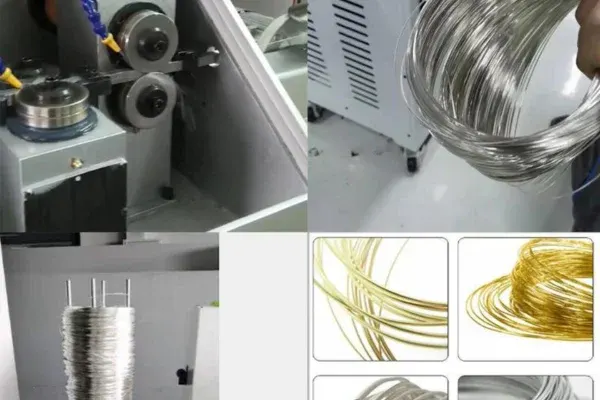
A significant number of jewellery manufacturers handle both gold and silver orders, sometimes switching between materials within the same production day. Owning two separate single-metal drawing machines to manage this isn’t always practical, particularly
for small and mid-sized operations where floor space and capital both come at a premium. This machine lets your team move between materials with a settings adjustment rather than a full equipment change.
Reducing Breakage Across Both Metals
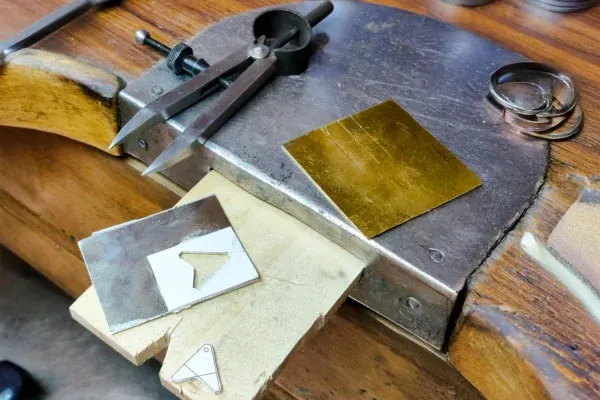
Breakage during drawing is costly regardless of which metal you’re working with, but the specific causes differ. Gold tends to break from over-tensioning given its softness, while silver is more prone to cracking from work-hardening if pass sequencing isn’t adjusted appropriately. This machine’s dual calibration directly addresses both failure points rather than leaving one metal more vulnerable than the other.
Handles Common Alloy Variations Too
Beyond pure gold and silver, this machine also accommodates the mixed alloy wire compositions frequently used across jewellery manufacturing, extending its flexibility further for workshops dealing with varied material specifications.
Consistent Die Alignment Regardless of Material
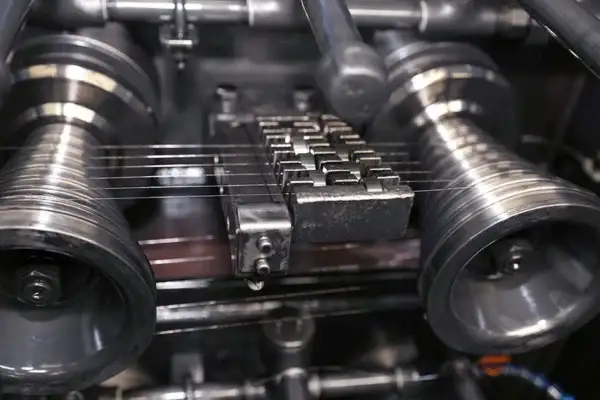
Accurate die positioning is equally important to both materials, and this device ensures accurate positioning every time irrespective of whether it’s the gold wire or silver wire passing through the machine.
ISO 9001:2015 Certified Manufacturing
Every gold & silver wire drawing machine we build is tested under our ISO 9001:2015 certified process, with calibration verified separately for both gold and silver drawing profiles before it leaves our Ahmedabad facility.
Who This Machine Suits
This machine is ideal for workshops and manufacturers regularly drawing both gold and silver wire who need reliable results across both materials without investing in two separate dedicated machines. If your production spans both metals, this machine is built to keep pace with that variety.
Reach out to our team to discuss your typical material mix and target gauge ranges.
FAQS:
How does this machine handle gold and silver differently?
It offers separate calibration profiles for tension and pass sequencing, since gold’s ductility and silver’s work-hardening behaviour require different drawing approaches.
Is switching between gold and silver time-consuming on this machine?
No, switching involves adjusting the calibration profile rather than reconfiguring or replacing equipment, keeping downtime minimal.
Can this machine also handle alloy wire?
Yes, it accommodates common jewellery-grade alloy compositions in addition to pure gold and silver wire.
Is this a practical option for smaller workshops?
Yes, it’s particularly useful for smaller and mid-sized operations that need dual-metal capability without the cost and space demands of two separate machines